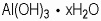
Characteristics
- INCI
- Aluminum Hydroxide
- CAS
-
21645-51-2
This is the substance number in the Chemical Abstracts Service registry. The CAS number uniquely identifies a substance regardless of language, trade name, or synonyms.
- EC
-
244-492-7
This is the substance number in the European chemical identification system (EC number), used in European regulatory databases including ECHA/CosIng.
- IUPAC
- Aluminium Hydroxide
- Functions
- emollient, humectant, opacifying, skin protecting, viscosity controlling
Who it's for
Description
Aluminum hydroxide may sound like something that belongs in a chemistry exam rather than your moisturizer, but in skincare it is mostly the quiet backstage crew doing a surprisingly useful job. Its formula is Al(OH)3, and yes, if you were wondering how to write aluminum hydroxide, that’s the neat little version. It is also a mineral-derived powder with a hefty molar mass of about 78 g/mol, which helps explain why it behaves more like a functional support ingredient than a glamorous skin active. In cosmetics, it is mainly used as an opacifying agent, meaning it makes formulas look less see-through and more pleasantly white or creamy, but it can also help with texture and pigment performance.
The most interesting skincare trick here is its role in coating titanium dioxide, one of the most common mineral UV filters. This coating helps improve the stability and safety of the sunscreen by limiting the formation of reactive oxygen species when titanium dioxide is exposed to UV light. In other words, aluminum hydroxide helps your sunscreen behave itself. It is also used in pigments to improve coverage and spread, so you may find it in makeup and tinted sunscreens where a little extra hiding power is welcome. If you’ve seen it in a formula alongside magnesium hydroxide or magnesium trisilicate, that usually points to a broader mineral system used for texture, coating, or pH-related functions rather than any dramatic skin treatment claim.
As for whether it is safe for skin, the short answer is yes, in the concentrations used in cosmetics. It is generally considered low-risk and not a sensitizer for most people, although any ingredient can be irritating in the wrong formula or on very reactive skin. The “aluminum” part does make people nervous, but this is a cosmetic mineral, not a sneaky antiperspirant situation or an oral medicine. You may also bump into the ingredient online in searches about tablets, gel, or even use in pets, but those are different uses entirely and not relevant to your face cream. So when you see aluminum hydroxide in a sunscreen or foundation, think of it as a useful little stabilizer and pigment helper, not the star of the show, but definitely doing the heavy lifting behind the scenes.
More detail
Officially, CosIng (the official EU ingredient database) lists Aluminum Hydroxide 's functions as opacifying (making the product white and non-transparent), as well as emollient and skin protectant.
However, with a little bit of digging, it turns out Aluminum Hyroxide often moonlights as a protective coating for UV filter superstar Titanium Dioxide. Specifically, it protects our skin from the harmful effects of nasty Reactive Oxygen Species (free radicals derived from oxygen such as Superoxide and Hydrogen Peroxide) generated when Titanium Dioxide is exposed to UV light. Btw, chlorine in swimming pool water depletes this protective coating, so one more reason to reapply your sunscreen after a dip in the pool on holiday.
Other than that, Aluminum Hydroxide also often shows up in composite pigment technologies where it is used the other way around (as the base material and not as the coating material) and helps to achieve higher color coverage with less pigment.
Frequently Asked Questions about Aluminum Hydroxide
What is aluminum hydroxide in cosmetics?
Is aluminum hydroxide safe to use on skin?
What does aluminum hydroxide do in a cosmetic formula?
Can aluminum hydroxide cause side effects on skin?
Is aluminum hydroxide the same as aluminum metal?
Evidence & Research on Aluminum Hydroxide
-
1
Shimizu, Katsumi, and Shoji Takekawa. "Aluminum hydroxide pigments having improved coloring capability." U.S. Patent No. 9,011,893. 21 Apr. 2015.
-
2
Virkutyte, Jurate, Souhail R. Al-Abed, and Dionysios D. Dionysiou. "Depletion of the protective aluminum hydroxide coating in TiO2-based sunscreens by swimming pool water ingredients." Chemical engineering journal 191 (2012): 95-103.Find in PubMed
Products with Aluminum Hydroxide (5 656 total)
Most often found in L'Oreal products (101 items)


