Characteristics
- INCI
- Benzyl Alcohol
- CAS
-
100-51-6
This is the substance number in the Chemical Abstracts Service registry. The CAS number uniquely identifies a substance regardless of language, trade name, or synonyms.
- EC
-
202-859-9
This is the substance number in the European chemical identification system (EC number), used in European regulatory databases including ECHA/CosIng.
- IUPAC
- Benzyl Alcohol
- Functions
- perfuming, preservative, solvent, viscosity controlling
- EU Restr.
-
III/45 and V/34
EU regulatory status: restricted use. The ingredient is permitted in EU cosmetics but its use and labelling are regulated.
More detail →
Who it's for
Description
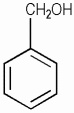
If your lotion, serum, or shampoo has managed to stay fresh on the shelf instead of turning into a science experiment, there’s a decent chance Benzyl Alcohol is part of the reason. This small aromatic alcohol has the familiar structure of a benzene ring with a CH2OH group attached, and it shows up in cosmetics mostly as a preservative, solvent, and fragrance ingredient. It’s a handy little multitasker: it helps dissolve other ingredients, improves the feel of formulas, and keeps microbes from moving in and making themselves at home.
As for the benefits of benzyl alcohol on skin, the main one is not glamorous but very important: preservation. By helping formulas stay stable, it indirectly protects your skin from spoiled products and reduces the need for harsher preservative systems. In low concentrations, it’s generally considered well tolerated in rinse-off and leave-on products, including a benzyl alcohol lotion. But if you’re wondering whether benzyl alcohol is bad for skin, the honest answer is: it can be irritating for some people, especially if your skin barrier is already cranky, very dry, or eczema-prone. So yes, it can be okay in cosmetics, but no, it’s not an “active” that will transform your skin like niacinamide or glycerin might.
You’ll also see people asking about the benefits of benzyl alcohol for hair, and the answer is mostly the same: it’s useful because it helps keep hair products stable and pleasant to use. It’s not doing anything magical to your strands, but it helps formulas behave. On the safety sheet side of life, the SDS for benzyl alcohol will usually flag it as an irritant in higher concentrations, which is why it’s typically used at modest levels in cosmetics. Chemically, it has a boiling point around 205°C and a density of about 1.04 g/mL at room temperature. In the body, it can be oxidized to benzoic acid, which is part of why it’s treated with a bit of respect in safety assessments.
Outside skincare, benzyl alcohol has a long list of uses in products, and yes, there’s even a medicated benzyl alcohol lotion for lice. If you’re looking up how to use benzyl alcohol for lice, that’s a very different, prescription-style situation than the cosmetic ingredient found in your moisturizer. As for how to use benzyl alcohol in regular skincare: you don’t use it separately at all, you just let it do its behind-the-scenes job in the finished formula. Whether a product is halal or where to kopen it usually depends on the source and the full formula, not just the ingredient name. And if you’re wondering how to make benzyl alcohol at home: please don’t. It’s an industrial chemical, best left to actual chemists, not your kitchen.
More detail
It's one of those things that help your cosmetics not to go wrong too soon, aka a preservative. It can be naturally found in fruits and teas but can also be made synthetically.
No matter the origin, in small amounts (up to 1%) it’s a nice, gentle preservative. Has to be combined with some other nice preservatives, like potassium sorbate to be broad spectrum enough.
In high amounts, it can be a skin irritant, but don’t worry, it’s never used in high amounts.
Frequently Asked Questions about Benzyl Alcohol
What is benzyl alcohol used for in skincare and cosmetics?
Is benzyl alcohol good or bad for skin?
Does benzyl alcohol have any benefits for hair products?
How does benzyl alcohol work in a lotion?
Can benzyl alcohol cause skin irritation or allergic reactions?
Products with Benzyl Alcohol (19 755 total)
Most often found in L'Oreal products (423 items)