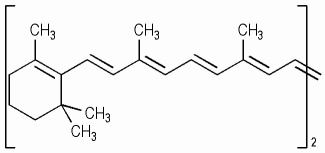
Characteristics
- INCI
- Beta-Carotene
- CAS
-
7235-40-7
This is the substance number in the Chemical Abstracts Service registry. The CAS number uniquely identifies a substance regardless of language, trade name, or synonyms.
- EC
-
230-636-6
This is the substance number in the European chemical identification system (EC number), used in European regulatory databases including ECHA/CosIng.
- IUPAC
- .Beta.,.Beta.-Carotene
- Functions
- skin conditioning
- EU Restr.
-
IV/111
EU regulatory status: restricted use. The ingredient is permitted in EU cosmetics but its use and labelling are regulated.
More detail →
Who it's for
Description
Think of beta-carotene as the carrot’s sunny little signature: it’s the orange-red pigment that gives carrots, pumpkins and sweet potatoes their color, and it’s also one of the main “meaning of beta-carotene” moments in nutrition and skincare. Chemically, it has a long hydrocarbon structure made of repeating units and a lot of double bonds, which is exactly why it acts as a decent antioxidant. In other words, it can help soak up some of the free-radical drama caused by UV exposure and pollution, although it is very much a supporting actor, not the hero who saves the day alone.
In cosmetics, beta-carotene is mostly there for beta-carotene skin benefits and a bit of formula flair. It can contribute to a more radiant, healthy-looking complexion, especially in products aimed at dull or environmentally stressed skin. Because it’s a precursor to vitamin A, people often ask about the benefits of beta-carotene supplements, capsules or tablets for skin, hair, eyes, men, women and even pregnancy. That’s a nutrition conversation more than a skincare one, but the short version is this: the body can convert beta-carotene into vitamin A as needed, which is why it’s considered an important nutrient in foods and supplements. In food, the best beta carotene sources are usually orange and dark-green plants like carrots, sweet potatoes, spinach and kale, and those are also the classic beta-carotene foods people mean when they search for the best beta carotene foods.
Now for the slightly less glamorous truth: beta-carotene benefits for skin in a cosmetic product are usually subtle. It can add antioxidant support, and some formulas use it for a warm tint or to make the product look more “glowy.” It is not the best beta carotene for tanning in the magical bronzing sense, and no supplement can replace sunscreen, even if a lot of internet chatter about the best beta carotene supplement for tan makes it sound tempting. Some older studies on oral supplementation suggest carotenoids can slightly increase skin yellowness over time, which may look like a soft golden cast rather than a real tan. For the record, that doesn’t mean you should chase the best beta carotene supplement reddit consensus or the best beta carotene supplement UK shopping list for instant glow. Skin tone, diet and dosing matter, and too much supplemental beta-carotene can be a bad idea for smokers. In skincare, though, it’s usually a friendly antioxidant with a cheerful orange personality, and that’s not a bad resume at all.
More detail
Beta-Carotene is a naturally occurring orange-red pigment found in plants like carrots, sweet potatoes, and leafy greens. In skincare, it’s used mainly as an antioxidant and as a precursor to vitamin A, meaning the body can convert some of it into retinol-related compounds. In formulas, it helps support a healthy-looking complexion by helping defend against oxidative stress from everyday environmental exposure.
For skin, beta-carotene is often included in products aimed at dull, tired, or environmentally stressed skin because it can contribute to a more radiant, even-looking appearance. It may also appeal to people looking for antioxidant support without using stronger retinoids. In hair care, it’s less common but can be used for its conditioning and antioxidant benefits in scalp or hair formulas. People with dry, mature, or sun-exposed skin may especially appreciate it.
Caveat: beta-carotene is generally well tolerated in cosmetics, but it is not a substitute for sunscreen or a true treatment for skin concerns. In higher amounts, it can sometimes leave a slight orange tint on very fair skin or fabrics, depending on the formula. As with any ingredient, results depend on the full product, concentration, and how often it’s used.
Frequently Asked Questions about Beta-Carotene
What is beta-carotene, and what does it do in skincare products?
Is beta-carotene good for skin?
Can beta-carotene help with getting a tan?
Is beta-carotene safe in pregnancy?
What foods are rich in beta-carotene?
Products with Beta-Carotene (1 558 total)
Most often found in Bielenda products (31 items)


