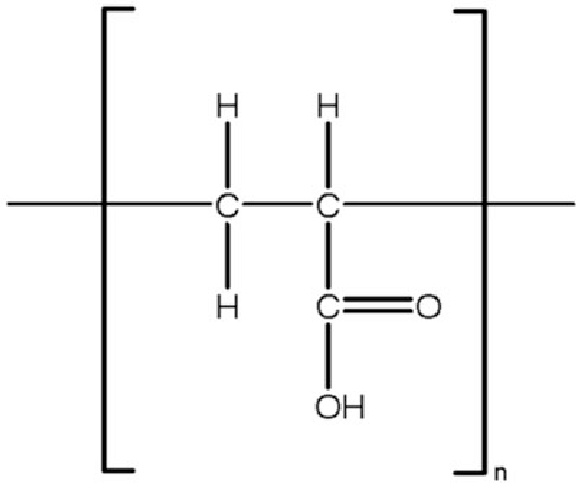
Characteristics
- INCI
- Carbomer
- CAS
-
9062-04-8, 9007-20-9, 9003-01-4, 76050-42-5, 9007-16-3, 9007-17-4
This is the substance number in the Chemical Abstracts Service registry. The CAS number uniquely identifies a substance regardless of language, trade name, or synonyms.
- Functions
- emulsion stabilising, gel forming, viscosity controlling
- Irritancy
-
0 / 5
Irritation potential: 0–5, where 5 is the highest irritation rating for the ingredient.
More detail → - Comedogen.
-
1 / 5
Comedogenicity index: 0–5. A non-comedogenic ingredient (0–1) is unlikely to cause cosmetic acne.
More detail →
Who it's for
Description
If you have ever wondered how a watery serum turns into that satisfyingly squishy gel, Carbomer is often the backstage magician. It is a family of high-molecular-weight polymers made from acrylic acid, and its superpower is thickening and gelling formulas at very low amounts. In practice, that means it helps create the silky texture of a carbomer gel, keeps creams from separating, and gives eye products that elegant, cushiony slip. The real benefit of carbomer for skin is mostly indirect: it does not treat wrinkles or acne on its own, but it makes a formula feel better, spread more evenly, and stay stable so the useful ingredients can do their jobs.
In skin care, carbomer is used in everything from light lotions to cleansing gels to eye products like carbomer eye gel and carbomer eye drops. You will often see names like carbomer 940 or carbomer 980, which are just different grades with slightly different thickening and flow properties. Formulators pick the “best” carbomer based on the product goal: a clear gel, a richer cream, or a more viscous eye drop. For example, carbomer 0.2 eye gel and carbomer 980 eye drops are designed to stay where they are needed and provide a long-lasting lubricating film. These products can often be bought over the counter in many countries, but the exact rules depend on local regulations. If you are searching for the best carbomer eye gel, you are really looking for the best formulation built around carbomer, because the polymer itself is just the texture helper.
How to use carbomer depends on the product, not the raw ingredient. In finished cosmetics, you do not “apply carbomer” by itself; you use the formula it helps build. Carbomer needs to be dispersed into water and then neutralized with a base such as sodium hydroxide or triethanolamine to reach its full thickening power, which is why “how to use carbomer 940,” “how to use carbomer 980,” or “how to use carbomer in creams” is really a question for chemists, not shoppers. The same goes for carbomer in shampoo or carbomer in skin care: it is added during formulation, usually at around 0.1–1%, depending on the texture needed. So, is carbomer good for skin? Yes, when it is part of a well-made product. It is one of those quietly hardworking ingredients that does not steal the spotlight, but makes the whole formula behave like a pro.
More detail
A big molecule created from repeated subunits (a polymer of acrylic acid) that magically converts a liquid into a nice gel formula. It usually has to be neutralized with a base (such as sodium hydroxide) for the thickening to occur and it creates viscous, clear gels that also feel nice and non-tacky on the skin. No wonder, it is a very popular and common ingredient. Typically used at 1% or less in most formulations.
Frequently Asked Questions about Carbomer
What does carbomer do in skincare products?
Is carbomer safe for skin?
Is carbomer good for sensitive skin?
What is the difference between carbomer 940 and carbomer 980?
Why is carbomer used in eye gels and eye drops?
Products with Carbomer (27 462 total)
Most often found in Nivea products (232 items)


