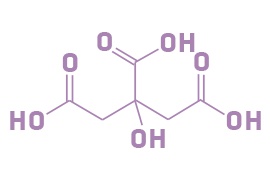
Characteristics
- INCI
- Citric Acid
- CAS
-
77-92-9, 5949-29-1
This is the substance number in the Chemical Abstracts Service registry. The CAS number uniquely identifies a substance regardless of language, trade name, or synonyms.
- EC
-
201-069-1
This is the substance number in the European chemical identification system (EC number), used in European regulatory databases including ECHA/CosIng.
- IUPAC
- 2-Hydroxy-1,2,3-Propanetricarboxylic Acid
- Functions
- buffering, chelating, masking
Who it's for
Description
Citric acid comes from citrus fruits and is an AHA. If these magic three letters don’t tell you anything, click here and read our detailed description on glycolic acid, the most famous AHA.
So citric acid is an exfoliant, that can - just like other AHAs - gently lift off the dead skin cells of your skin and make it more smooth and fresh.
There is also some research showing that citric acid with regular use (think three months and 20% concentration) can help sun-damaged skin, increase skin thickness and some nice hydrating things called glycosaminoglycans in the skin.
But according to a comparative study done in 1995, citric acid has less skin improving magic properties than glycolic or lactic acid. Probably that’s why citric acid is usually not used as an exfoliant but more as a helper ingredient in small amounts to adjust the pH of a formulation.
Frequently Asked Questions about Citric Acid
What does citric acid do in skincare products?
Is citric acid good for your skin?
Can citric acid be irritating on the face?
Why is citric acid used in hair products?
Is citric acid safe in cosmetic products?
Evidence & Research on Citric Acid
-
1
Dermatologic Surgery, Volume 23 (8) – Aug 1, 1997, Citric Acid Increases Viable Epidermal Thickness and Glycosaminoglycan Content of Sundamaged Skin
-
2
Journal of the American Academy of Dermatology, Volume 34, Issue 2, Part 1, , February 1996, Pages 187–195, Effects of α-hydroxy acids on photoaged skin: Apilot clinical, histologic, and ultrastructural study
-
3
International Journal of Cosmetic Science, , Volume 18 (2) – Apr 1, 1996, Comparative effectiveness of α‐hydroxy acids on skin properties
Products with Citric Acid (52 937 total)
Most often found in Garnier products (417 items)


