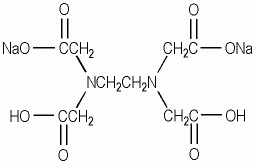
Characteristics
- INCI
- Disodium EDTA
- EC
-
205-358-3
This is the substance number in the European chemical identification system (EC number), used in European regulatory databases including ECHA/CosIng.
- IUPAC
- Disodium Dihydrogen Ethylenediaminetetraacetate
- Functions
- chelating, viscosity controlling
Who it's for
Description
It may not be the flashy star of the formula, but this little behind-the-scenes helper can make a surprisingly big difference. Disodium EDTA stands for disodium ethylenediaminetetraacetate, and yes, that mouthful is exactly why everyone shortens it. If you’ve ever wondered what is disodium EDTA or whether disodium EDTA is the same as EDTA, the short answer is: it’s one specific salt form of the EDTA family. Its job is to bind metal ions like calcium and magnesium, which are common troublemakers in water and can otherwise make formulas less stable, less effective, or more likely to discolor and go off.
That’s why you’ll spot it in disodium EDTA in skin care and disodium EDTA in shampoo so often. In skincare, it helps preserve the formula and can also improve how the product performs on your skin by keeping ingredients from being sabotaged by stray metals. In hair care, the same principle applies: if you live in a hard-water area, disodium EDTA for hair can help reduce the mineral buildup that leaves hair feeling dull, rough, or less cooperative. So if you’re asking is disodium EDTA good for hair, the answer is usually yes, in the sense that it supports a better-performing formula rather than “treating” hair directly. The benefits of disodium EDTA on skin are mostly about stability and product quality, not acting as a classic active ingredient.
As for the benefits of calcium disodium EDTA, that’s a related ingredient often used for a similar chelating job, especially when formulators want a more suitable option for certain products. You may also see EDTA used outside cosmetics, including disodium EDTA in food, where it helps prevent oxidation and preserve quality. Cosmetic use levels are usually tiny, often around 0.1% or less, which is why disodium EDTA side effects are uncommon in leave-on or rinse-off products. It is generally considered low-risk in cosmetics, and because it is so strongly focused on metal binding, it does not usually behave like a skin irritant at normal use levels. If you’re curious how is disodium EDTA made, it’s produced by neutralizing EDTA with sodium hydroxide. In short: it’s the quiet lab technician of the ingredient world, keeping your products from throwing a tantrum.
Disodium EDTA molecular weight is about 372.24 g/mol, which is one of those nerdy details formulators love and consumers rarely need — unless you’re deep-diving ingredient chemistry for fun, in which case, welcome to the club.
More detail
Super common little helper ingredient that helps products to remain nice and stable for a longer time. It does so by neutralizing the metal ions in the formula (that usually get into there from water) that would otherwise cause some not so nice changes.
It is typically used in tiny amounts, around 0.1% or less.
Frequently Asked Questions about Disodium EDTA
What is disodium EDTA, and why is it used in skincare and hair products?
Is disodium EDTA good for skin?
Does disodium EDTA do anything for hair?
Is disodium EDTA safe to use in skincare products?
Is disodium EDTA the same as EDTA?
Products with Disodium EDTA (46 341 total)
Most often found in Neutrogena products (400 items)


