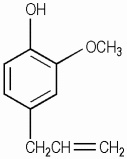
Characteristics
- INCI
- Eugenol
- CAS
-
97-53-0
This is the substance number in the Chemical Abstracts Service registry. The CAS number uniquely identifies a substance regardless of language, trade name, or synonyms.
- EC
-
202-589-1
This is the substance number in the European chemical identification system (EC number), used in European regulatory databases including ECHA/CosIng.
- IUPAC
- Phenol, 2-Methoxy-4-(2-Propenyl)-
- Functions
- denaturant, perfuming, tonic
- EU Restr.
-
III/71
EU regulatory status: restricted use. The ingredient is permitted in EU cosmetics but its use and labelling are regulated.
More detail →
Who it's for
Description
Eugenol sounds a bit like something from a chemistry lab, but you probably know it better as the spicy-smelling molecule that gives cloves their classic dentist-office-meets-holiday-cookie vibe. In ingredient lists, it usually shows up as a fragrance component, especially in essential oils like clove oil, cinnamon leaf oil, and basil oil. Its structure is a phenolic compound, and that little chemical setup is exactly why it smells so distinct and why it can be quite reactive in the skin. If you’ve ever wondered about the meaning of eugenol, it’s simply the name of this naturally occurring aromatic molecule, not a magical wellness elixir in tiny bottle form.
So what are the benefits of eugenol? In cosmetics, the main one is fragrance. In traditional dental use, eugenol has a long history because it can help numb discomfort and has mild antiseptic and anti-inflammatory activity. That’s why people look up things like eugenol dental, how to use eugenol for toothache, or how to use eugenol for dry socket. But here’s the catch: the stuff used by dentists is a controlled dental product, not the same thing as casually applying essential oil from the kitchen shelf. In the body, eugenol has been studied for antioxidant and antimicrobial effects, but that does not automatically make it skin-friendly or something you should ingest. And despite the internet’s enthusiasm, there isn’t a special set of benefits of eugenol for men versus anyone else — your skin and tissues don’t read marketing copy.
When it comes to skin, eugenol is mostly a cautionary tale. It can be irritating and is a known fragrance allergen, which is why it must be separately labeled in the EU. A 2006 in-vitro study found clove oil and eugenol were cytotoxic at very low concentrations, around 0.03%, which is not exactly soothing news for leave-on skincare. If you’re looking for the best source of eugenol, clove oil is the richest natural one, but “best” depends on your goal: fragrance? maybe. Sensitive skin? definitely not. It’s also worth knowing that eugenol can oxidize over time, and oxidized fragrance molecules tend to be even more allergenic, so how long eugenol lasts really matters for product stability.
As for how to apply eugenol or how to use eugenol oil, the safest answer for skincare is usually: don’t. Pure eugenol and concentrated essential oils are not DIY-friendly leave-on ingredients. In lab and industry settings, its identity can be confirmed with tools like IR spectroscopy, and in plants it’s made and broken down by enzymes such as eugenol oxidase, but your face does not need that level of chemistry experiment. If you see it in a formula, think of eugenol as a fragrance with a spicy backstory, not a skincare active with proven eugenol benefits. For dry skin, acne, or anything else on your face, gentler ingredients will usually treat your skin far better than a clove-like aroma ever will.
More detail
A colorless or yellowish oil that's used as a fragrance. It has a spicy scent and can be found for example in basil, clove or cinnamon oil.
A 2006 in-vitro (made in the lab not on real people) study examined if clove oil is cytotoxic and found that not only clove oil but also its main constituent, eugenol is cytotoxic even at very low concentration (0.03%). It’s also one of the “EU 26 fragrances” that has to be labelled separately (and cannot be simply included in the term “fragrance/perfume” on the label) because of allergen potential. Best to avoid at least in leave-on products.
Frequently Asked Questions about Eugenol
What is eugenol, and where does it come from?
Is eugenol good for skin?
What are the main uses of eugenol in cosmetic products?
Why is eugenol found in clove oil?
Can eugenol cause skin irritation or allergic reactions?
Evidence & Research on Eugenol
-
1
Cell proliferation., 2006 Aug;39(4):241-8., Cytotoxicity of clove (Syzygium aromaticum) oil and its major components to human skin cells.Find in PubMed
Products with Eugenol (3 196 total)
Most often found in Aveda products (85 items)


