Characteristics
- INCI
- Glyceryl Stearate
- CAS
-
31566-31-1
This is the substance number in the Chemical Abstracts Service registry. The CAS number uniquely identifies a substance regardless of language, trade name, or synonyms.
- EC
-
250-705-4, 286-490-9
This is the substance number in the European chemical identification system (EC number), used in European regulatory databases including ECHA/CosIng.
- Functions
- emollient, emulsifying
- Irritancy
-
0 / 5
Irritation potential: 0–5, where 5 is the highest irritation rating for the ingredient.
More detail → - Comedogen.
-
1 / 5
Comedogenicity index: 0–5. A non-comedogenic ingredient (0–1) is unlikely to cause cosmetic acne.
More detail →
Who it's for
Description
Some ingredients work quietly in the background and somehow end up doing half the heavy lifting in a cream. Glyceryl Stearate is one of those behind-the-scenes multitaskers: a waxy, white ingredient that helps oil and water hold hands instead of immediately separating like they’ve had a falling-out. In practice, that means smoother lotions, richer textures, better spreadability, and that soft, cushioned feel your skin gets after application.
Its INCI name is Glyceryl Stearate, and it’s usually made by combining glycerin with stearic acid, often from vegetable sources. In skincare, its main job is as an emulsifier and emollient, so it can help formulas feel less greasy while still leaving a pleasant, moisturized finish. You’ll often see it paired with PEG-100 Stearate, which makes a very reliable emulsifying duo, or blended into variants such as Glyceryl Stearate Citrate and Glyceryl Stearate SE. Those versions are tailored for different formula needs, but the overall theme is the same: stable emulsions and a nicer skin feel.
As for the benefits of Glyceryl Stearate on skin, they’re mostly about comfort and formulation rather than dramatic actives-style results. It helps reduce the loss of water from the skin surface a little by making products more occlusive and emollient, and that can leave skin feeling softer and less dry. People often ask about comedogenic potential, but there isn’t a single universal comedogenic rating that tells the whole story. In real life, whether a formula clogs your pores depends on the whole ingredient list, concentration, and your skin type. The same goes for Glyceryl Stearate SE comedogenic rating searches: there’s no magic number that applies to every product ever made.
Is Glyceryl Stearate safe? In cosmetics, yes, it has a long track record of use and is generally considered low risk. It is not known as a toxic ingredient, and glyceryl stearate side effects are uncommon, though very sensitive skin can react to almost anything given the wrong formula. If you’re wondering how to use it, you usually don’t use it on its own at home unless you’re formulating, and Glyceryl Stearate or Glyceryl Monostearate is typically added during the heated oil phase of an emulsion. So when people ask how to use glyceryl stearate as an emulsifier, the short answer is: with a bit of formulator know-how, not as a DIY face mask ingredient.
More detail
A super common, waxy, white, solid stuff that helps water and oil to mix together, gives body to creams and leaves the skin feeling soft and smooth.
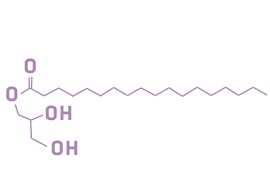
Chemically speaking, it is the attachment of a glycerin molecule to the fatty acid called stearic acid. It can be produced from most vegetable oils (in oils three fatty acid molecules are attached to glycerin instead of just one like here) in a pretty simple, "green" process that is similar to soap making. It's readily biodegradable.
It also occurs naturally in our body and is used as a food additive. As cosmetic chemist Colins writes it, "its safety really is beyond any doubt".
Frequently Asked Questions about Glyceryl Stearate
What does glyceryl stearate do in skincare?
Is glyceryl stearate safe for skin?
Can glyceryl stearate clog pores or cause breakouts?
What is the difference between glyceryl stearate and glyceryl stearate SE?
Is glyceryl stearate the same as glyceryl stearate citrate or PEG-100 stearate?
Products with Glyceryl Stearate (29 167 total)
Most often found in Nivea products (240 items)


