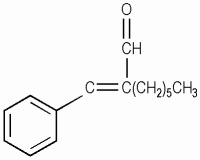
Characteristics
- INCI
- Hexyl Cinnamal
- CAS
-
101-86-0
This is the substance number in the Chemical Abstracts Service registry. The CAS number uniquely identifies a substance regardless of language, trade name, or synonyms.
- EC
-
202-983-3, 639-566-4
This is the substance number in the European chemical identification system (EC number), used in European regulatory databases including ECHA/CosIng.
- IUPAC
- 2-Phenylmethyleneoctanal; Alpha-Hexylcinnamaldehyde; 2-Benzylideneoctanal; Alpha-N-Hexyl-Beta-Phenylacrolein
- Functions
- perfuming
- EU Restr.
-
III/87
EU regulatory status: restricted use. The ingredient is permitted in EU cosmetics but its use and labelling are regulated.
More detail →
Who it's for
Description
If your cream or shampoo smells a bit like a fresh bouquet drifting past on a warm day, there is a good chance hexyl cinnamal is helping out. This is a fragrance ingredient used to give products a sweet, floral, jasmine-like scent, and it can also smooth out other notes so the final perfume smells more polished and less like a chemistry experiment gone rogue. It is found in all sorts of personal care products, from body lotions to cleansers, usually in tiny amounts because fragrance ingredients are doing the glamorous job of smell, not skin care.
The slightly less glamorous part is that hexyl cinnamal is a known fragrance allergen. That does not mean everyone will react to it, but if you have sensitive skin, eczema, or a history of fragrance allergies, it is one of those ingredients worth keeping an eye on. In patch testing, fragrance allergens are a common trigger for contact dermatitis, and regulators in the EU require this one to be separately listed when it is present above certain very low thresholds in leave-on products and rinse-off products. Translation: your skin may never notice it, but sensitized skin sometimes definitely does.
There is no skincare benefit here beyond making your product smell nice, so this is firmly in the fragrance camp rather than the “treats your skin” camp. If you are trying to reduce irritation or you know your skin tends to get cranky with scented products, choosing fragrance-free formulas can be a smart move. And if you do love fragranced products, the good news is that most people tolerate hexyl cinnamal just fine at the small concentrations used in cosmetics. The not-so-fun-but-useful takeaway is simple: pleasant scent, useful for formulators, but worth avoiding if fragrance allergies are on your personal skin drama list.
More detail
A common fragrance ingredient that smells like jasmine. It is one of the “EU 26 fragrances” that has to be labelled separately because of allergen potential. Best to avoid if your skin is sensitive.
Products with Hexyl Cinnamal (11 514 total)
Most often found in L'Oreal products (329 items)


