Neutral
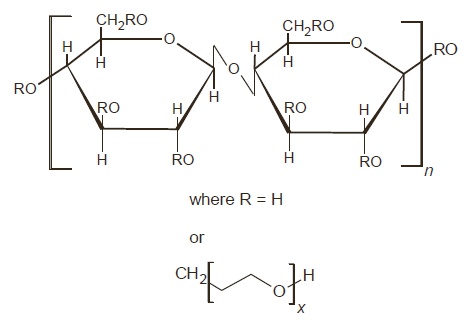
Hydroxyethylcellulose
HEC
Characteristics
- INCI
- Hydroxyethylcellulose
- Ru.
- HEC
- CAS
-
9004-62-0
This is the substance number in the Chemical Abstracts Service registry. The CAS number uniquely identifies a substance regardless of language, trade name, or synonyms.
- Functions
- binding, emulsion stabilising, film forming, stabilising, viscosity controlling
Who it's for
Skin Type
▲ Dry
▲ Normal
▲ Sensitive
▲ Acne-Prone
Face Concern
▲ Hydration
▲ Soothing
Body Concern
▲ Dryness
▲ Sensitivity
Hair Concern
▲ Frizz
▲ Hydration
▲ Scalp Health
Application Area
▲ Face
▲ Body
▲ Hair
▲ Scalp
▲ Eyes
▲ Lips
cellulose, 2-hydroxyethyl ether
Description
A nice little helper ingredient that can thicken up cosmetic products and create beautiful gel formulas. It's derived from cellulose, the major component of the cell wall of green plants. It is compatible with most co-ingredients and gives a very good slip to the formulas.
Frequently Asked Questions about Hydroxyethylcellulose
What is hydroxyethylcellulose used for in skincare and cosmetics?
Hydroxyethylcellulose is a thickening and gelling agent made from cellulose, the plant-based structural material found in wood and cotton. In cosmetics, it helps water-based formulas become more viscous, stable, and pleasant to apply, and it can also improve slip and spreadability. It is often used in gels, creams, shampoos, and liquid cleansers.
Is hydroxyethylcellulose safe to use on skin?
Hydroxyethylcellulose is generally considered safe for use in cosmetic products. It is widely used because it is non-ionic and usually well tolerated, even in sensitive skin formulas. As with any ingredient, irritation is still possible in a small number of people, especially if the overall product contains other irritating ingredients.
How is hydroxyethylcellulose made?
It is produced by chemically modifying cellulose with hydroxyethyl groups, which changes its behavior in water. The starting cellulose usually comes from plant sources such as wood pulp or cotton. This modification makes it much more useful in personal care products because it thickens water-based formulas without making them greasy.
Can hydroxyethylcellulose be used in eye drops and gels?
Yes, hydroxyethylcellulose is used in some eye drops and ophthalmic gels because it can help lubricate the eyes and increase the time the formula stays on the surface. It is also used in gel products where a clear, smooth texture is needed. Products for the eyes should always be formulated specifically for that use, since purity and sterility matter a lot.
Is hydroxyethylcellulose a natural ingredient?
It is derived from natural cellulose, but it is not considered a purely natural ingredient because it has been chemically modified. You may see it described as nature-derived or plant-derived rather than natural. In cosmetics, that modification is what gives it the performance needed to thicken and stabilize formulas.
Products with Hydroxyethylcellulose (9 745 total)
Hair
Face Care
Body Care
Decorative Cosmetics
Hands & Nails
Most often found in L'Oreal products (111 items)


