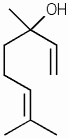
Characteristics
- INCI
- Linalool
- CAS
-
78-70-6
This is the substance number in the Chemical Abstracts Service registry. The CAS number uniquely identifies a substance regardless of language, trade name, or synonyms.
- EC
-
201-134-4
This is the substance number in the European chemical identification system (EC number), used in European regulatory databases including ECHA/CosIng.
- IUPAC
- 3,7-Dimethyl Octa-1,6-Diene-3-Ol
- Functions
- deodorant, perfuming
- EU Restr.
-
III/84
EU regulatory status: restricted use. The ingredient is permitted in EU cosmetics but its use and labelling are regulated.
More detail →
Who it's for
Description
If you have ever sniffed a perfume and thought, “Ah yes, that smells expensive,” there’s a decent chance linalool was doing some of the heavy lifting. It’s a naturally occurring fragrance molecule found in lots of essential oils, especially lavender, but also basil, coriander, rosewood, and citrus peel. So yes, when people ask whether linalool is lavender, the answer is: sometimes it shows up there, but it is not lavender itself. In English you’ll usually just see it listed as linalool, and if you’re wondering about pronunciation, it’s roughly “lye-nuh-lool.”
Chemically, linalool is a terpene alcohol with the formula C10H18O, and its structure is part of what gives it that fresh, floral, slightly citrusy vibe. In perfumes and scented products, it is used to add brightness and softness, so it’s very much part of the answer to how to use linalool in perfume: as a fragrance note, not as a skincare active. And here’s the important bit if you came looking for the benefits of linalool in skin care or health benefits of linalool: in cosmetics, the real “benefit” is mainly smell, not skin treatment. There isn’t solid evidence that linalool oil benefits your skin in any meaningful way when used in rinse-off or leave-on products.
The catch, because there is always a catch, is that linalool is one of those fragrance ingredients that can become a problem after it meets air. Fresh linalool is not especially allergenic, but on oxidation it forms hydroperoxides that are much more likely to trigger reactions. In a UK patch test study of 483 people, 2.3% reacted to 3% oxidised linalool. That is why “linalool allergie” or linalool sensitivity is a real search term, and why you’ll see people hunting for the best linalool free products, the best limonene and linalool free perfume, or the best shampoo without linalool and limonene. If your skin is reactive, those searches make perfect sense. For everyone else, linalool is usually just a fragrant little troublemaker with a lovely smell and a slightly nerdy chemistry story.
As for linalool terpene effects in products, think fragrance rather than function. The “best linalool strains” talk belongs more to plant chemistry and essential oil enthusiasts than to skincare. In beauty products, the main question is not what linalool can do for your skin, but whether your skin likes it at all. If it does, great. If not, the best limonene and linalool free products UK shoppers or anyone else can look for are simply fragrance-free or specifically fragrance-allergen-free formulas.
More detail
Linalool is a super common fragrance ingredient. It’s kind of everywhere - both in plants and in cosmetic products. It’s part of 200 natural oils including lavender, ylang-ylang, bergamot, jasmine, geranium and it can be found in 90-95% of prestige perfumes on the market.
The problem with linalool is, that just like limonene it oxidises on air exposure and becomes allergenic. That’s why a product containing linalool that has been opened for several months is more likely to be allergenic than a fresh one.
A study made in the UK with 483 people tested the allergic reaction to 3% oxidised linalool and 2.3% had positive test results.
Frequently Asked Questions about Linalool
What is linalool?
Does linalool have any benefits for skin?
Is linalool the same as lavender?
Can linalool cause skin irritation or allergy?
How can I avoid linalool in skincare and perfumes?
Evidence & Research on Linalool
-
1
Contact Dermatitis, Volume 64 (4) – Apr 1, 2011, Allergy to oxidized linalool in the UK
Products with Linalool (30 232 total)
Most often found in L'Oreal products (595 items)


