indecoder.RU
Avoid
preservative

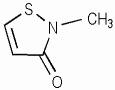
Methylisothiazolinone

Methylisothiazolinone

Characteristics

INCI
Methylisothiazolinone
CAS
2682-20-4
EC
220-239-6
IUPAC
2-Methyl-2H-Isothiazol-3-One
Functions
preservative
EU Restr.
V/57 Rinse-off products 0,0015 % V/39 Mixture of 5-Chloro-2-methyl-isothiazol-3(2H)-one and 2-Methyl-2H-isothiazol-3-one

Who it's for

Face Concern
▼ Sensitive Skin ▼ Rosacea ▼ Eczema
Hair Concern
▼ Dandruff ▼ Flaky scalp ▼ Hair Loss ▼ Frizz ▼ Damage ▼ Split Ends ▼ Hydration ▼ Scalp Health ▼ Sensetive Scalp
Application Area
▲ Face ▲ Body ▲ Hair ▲ Scalp
methylisothiazolinone is the heterocyclic organic compound

Description

As you may guess, if something is only recommended in products that you rinse off (cleansers and shampoos), then it’s probably not the best ingredient for the skin.

Methylisothiazolinone (MI) is a preservative that' super efficient against bacteria at surprisingly low concentrations. The problem with it though is that it can also sensitize and irritate the skin quite easily when it comes in leave-on formulas.

Currently, some countries are considering to ban it entirely (like Denmark) and the permitted use level is very low (under 0.01%). Luckily there are plenty of products on the market with other preservative options so if you are a better safe than sorry type it's probably best to avoid it. 

Frequently Asked Questions about Methylisothiazolinone

What is methylisothiazolinone used for in cosmetics and household products?
Methylisothiazolinone is a preservative used to prevent the growth of bacteria, yeast, and mold in water-based products. It has been used in shampoos, conditioners, lotions, wipes, and some household cleaners. Because it is effective at low levels, formulators have relied on it to extend shelf life.
Is methylisothiazolinone safe to use on skin?
It can be safe for many people when used in low concentrations, but it is also a well-known cause of skin allergy and irritation. The main concern is not toxicity in the usual sense, but sensitization, meaning repeated exposure can trigger a reaction over time. People with sensitive skin or a history of eczema are more likely to notice problems.
What are the common side effects of methylisothiazolinone?
The most common side effects are skin redness, itching, burning, rash, and sometimes swelling where the product was applied. In hair-care products, reactions can also show up along the hairline, neck, or face after rinsing. If a product keeps causing symptoms, stopping it usually helps, but a persistent rash should be checked by a clinician.
Can methylisothiazolinone cause an allergic reaction?
Yes, it is one of the preservatives most often linked to contact allergy. Once someone becomes sensitized, even small amounts in rinse-off or leave-on products can trigger dermatitis. Patch testing by a dermatologist is commonly used to confirm a methylisothiazolinone allergy.
Should I avoid shampoos and conditioners with methylisothiazolinone if I have sensitive skin?
If your skin reacts easily, avoiding it is often a sensible choice, especially if you have eczema or a known preservative allergy. Shampoos and conditioners can still cause reactions because the ingredient may contact the scalp, face, neck, or hands during use. Looking for products labeled methylisothiazolinone-free can reduce the chance of irritation.

Evidence & Research on Methylisothiazolinone

Scientific Committee on Consumer Safety (SCCS) opinions 1

Products with Methylisothiazolinone (4 283 total)

Most often found in Dove products (84 items)

All 4 283 products →
Synonyms
' Methylisothiazolinone (And)Methylisothiazolinone & Methylisothiazolinone + Methylisothiazolinone +Methylisothiazolinone 2-Methyl- 4-Isothiazolin -3-One 2-Methyl-4-Isothiazolin-3-One Methylisothiažolinone Methylisothiazolinone (0.0055%) Methylisothiazolinone (2682-20-4) Methylisothiazolinone (Antimicrobial Preservative) Methylisothiazolinone (E) Methylisothiazolinone Methylisothiazolinone (Methylisothiazolinone) Methylisothiazolinone (Metilisotiazolinona) Methylisothiazolinone (Preservative)