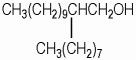
Characteristics
- INCI
- Octyldodecanol
- CAS
-
5333-42-6
This is the substance number in the Chemical Abstracts Service registry. The CAS number uniquely identifies a substance regardless of language, trade name, or synonyms.
- EC
-
226-242-9
This is the substance number in the European chemical identification system (EC number), used in European regulatory databases including ECHA/CosIng.
- IUPAC
- 2-Octyldodecan-1-Ol
- Functions
- emollient, masking, perfuming
Who it's for
Description
If you’ve ever wondered why some creams feel so plush and silky instead of greasy and draggy, octyldodecanol may be doing a lot of the heavy lifting. It’s a fatty alcohol, which sounds suspiciously like the kind of ingredient your skin would rather avoid, but in cosmetics it behaves more like a soft emollient than a drying alcohol. Its INCI name is octyldodecanol, and you’ll meet it in lotions, sunscreens, lip products, foundations, and all sorts of octyldodecanol in skin care formulas that want better slip and a smoother finish.
For your skin, this ingredient is mostly about comfort. It helps soften rough areas, improves spreadability, and can make a formula feel more cushiony while reducing that tight, squeaky sensation. In other words, it’s one of those quiet helpers that makes a product nicer to use, not necessarily one that shouts about impressive active benefits. It can also act as a solvent and texture enhancer, which is especially handy in makeup and lip products where a smooth application matters. If you’re looking for octyldodecanol for skin, think “emollient support” rather than “treatment.”
Now for the scary-search-engine stuff: octyldodecanol carcinogenic and octyldodecanol danger come up a lot, but there’s no good evidence that this ingredient is carcinogenic in the way people usually worry about. Safety assessments have generally found it usable in cosmetics at typical levels, and that’s why you’ll see it in so many formulas. Still, “safe” doesn’t mean “works for absolutely everyone.” Like many emollients, it can occasionally contribute to clogged pores or breakouts in some people, which is why the octyldodecanol comedogenic rating gets attention online. The rating isn’t destiny, though; your whole formula matters more than one ingredient in isolation.
As for octyldodecanol side effects, irritation is uncommon but possible, especially if your skin is very reactive or the product contains other sensitizing ingredients. EWG-style databases often rate it as low concern, which is reassuring but not a magic shield of approval. The practical takeaway? Octyldodecanol is generally considered safe for most people, especially in well-formulated products, but if your skin is acne-prone or easily irritated, it’s smart to patch test and pay attention to how your skin actually behaves rather than what a single score says.
More detail
Octyldodecanol is a clear to pale yellow, odorless fatty alcohol used widely in skincare and makeup. Despite the word “alcohol,” it’s not the drying kind; it behaves more like a lightweight oil. It gives formulas a silky, cushiony feel and helps them spread smoothly, which is why you’ll often find it in creams, lotions, lip products, sunscreens, and foundations.
On skin, octyldodecanol acts mainly as an emollient, softening rough areas and helping reduce that tight, dry feeling. It can also support the skin’s barrier by slowing moisture loss, making products feel more comfortable and less draggy. In hair care, it can add slip and softness, helping conditioners and styling products distribute more evenly and leave strands feeling smoother.
Who benefits? People who like richer, more elegant textures, or who have normal to dry skin, often appreciate it most. It can be especially useful in lip balms and body creams where a smooth finish matters. Caveat: because it is a fairly rich emollient, very oily or acne-prone users may prefer lighter formulas, depending on the full ingredient list and how their skin responds.
Frequently Asked Questions about Octyldodecanol
What is Octyldodecanol used for in skin care?
Is Octyldodecanol safe to use on skin?
Can Octyldodecanol cause side effects?
Is Octyldodecanol comedogenic or likely to clog pores?
Is Octyldodecanol carcinogenic or dangerous?
Products with Octyldodecanol (6 870 total)
Most often found in Nivea products (134 items)


