indecoder.RU
Neutral
preservative

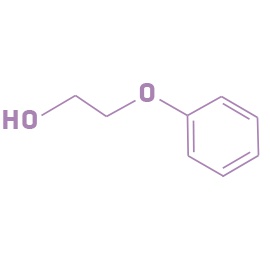
Phenoxyethanol

Phenoxyethanol

Characteristics

INCI
Phenoxyethanol
CAS
122-99-6
EC
204-589-7
IUPAC
2-Phenoxyethanol
Functions
preservative
EU Restr.
V/29

Description

It’s pretty much the current IT-preservative. It’s safe and gentle, but even more importantly, it’s not a feared-by-everyone-mostly-without-scientific-reason paraben.

It’s not something new: it was introduced around 1950 and today it can be used up to 1% worldwide. It can be found in nature - in green tea - but the version used in cosmetics is synthetic. 

Other than having a good safety profile and being quite gentle to the skin it has some other advantages too. It can be used in many types of formulations as it has great thermal stability (can be heated up to 85°C) and works on a wide range of pH levels (ph 3-10). 

It’s often used together with ethylhexylglycerin as it nicely improves the preservative activity of phenoxyethanol.

Frequently Asked Questions about Phenoxyethanol

What is phenoxyethanol used for in skincare and makeup?
Phenoxyethanol is a preservative, which means it helps keep cosmetic products free from harmful bacteria, yeast, and mold. It is commonly used in lotions, serums, shampoos, makeup, and sunscreens to make them last longer and stay safer to use. It does not provide a skincare benefit like hydration or anti-aging; its main role is product preservation.
Is phenoxyethanol safe to use on skin?
Phenoxyethanol is generally considered safe in cosmetics when used at allowed concentrations, which are typically up to 1% in many regions. Most people tolerate it well, but some with very sensitive skin may find it irritating, especially in leave-on products. If a product stings or causes redness, it is worth stopping use and checking with a dermatologist.
Can phenoxyethanol cause side effects or skin irritation?
Yes, phenoxyethanol can cause mild irritation in some people, including stinging, redness, or dryness. This is more likely if you have very sensitive skin or if the formula contains other irritating ingredients. True allergic reactions are uncommon, but they can happen.
Is phenoxyethanol safe during pregnancy?
Phenoxyethanol is generally considered acceptable to use during pregnancy at the low levels found in cosmetics. There is no strong evidence that normal cosmetic exposure causes pregnancy-related harm. If you prefer to be extra cautious or have specific concerns, ask your healthcare provider.
What can I use instead of phenoxyethanol if I want a preservative-free or phenoxyethanol-free product?
If you want to avoid phenoxyethanol, look for products preserved with alternatives such as benzyl alcohol, sodium benzoate, potassium sorbate, or newer preservative blends, depending on the formula. Truly preservative-free products are usually limited to anhydrous items like balms or oils, which do not contain water and are less prone to microbial growth. The best option depends on the product type and how it is packaged and used.

Products with Phenoxyethanol (79 473 total)

Most often found in L'Oreal products (634 items)

All 79 473 products →
Synonyms
- Phenoxyethanol — Phenoxyethanol ? Phenoxyethanol ‚Phenoxyethanol (And)Phenoxyethanol (Chelating Agent) Phenoxyethanol (Preservative) (Iscaguard) Phenoxyethanol (Less Than 2%) Phenoxyethanol (Natura Withania Somnifera Root Extract (Natural) Phenoxyethanol (Natural Thickener)* Phenoxyethanol (Preservation) (Parfum Tocopherol (Vitamin E) Phenoxyethanol (Preservatives:) Phenoxyethanol (Preservatives) Phenoxyethanol (Saccharide Isomerate) Phenoxyethanol (Vitamin H)Phenoxyethanol