PVP
Poly Vinyl Pyrollidone
Characteristics
- INCI
- PVP
- Ru.
- Poly Vinyl Pyrollidone
- CAS
-
9003-39-8
This is the substance number in the Chemical Abstracts Service registry. The CAS number uniquely identifies a substance regardless of language, trade name, or synonyms.
- IUPAC
- 2-Pyrrolidinone, 1-Ethenyl-, Homopolymer
- Functions
- antistatic, binding, emulsion stabilising, film forming, hair fixing, viscosity controlling
- Irritancy
-
0 / 5
Irritation potential: 0–5, where 5 is the highest irritation rating for the ingredient.
More detail → - Comedogen.
-
0 / 5
Comedogenicity index: 0–5. A non-comedogenic ingredient (0–1) is unlikely to cause cosmetic acne.
More detail →
Who it's for
Description
Polyvinylpyrrolidone, or PVP if you prefer the version that fits on a label, is one of those old-school cosmetic workhorses that quietly does the job and then some. Its superpower is being a film former: it spreads out on your hair or skin and leaves behind a thin, invisible layer that helps products do things like hold a hairstyle in place, improve the wear of makeup, or help sunscreen films stay more even. It was one of the first synthetic hair fixatives to replace shellac back in the 1950s, which is basically ancient history in cosmetic ingredient terms.
If you’ve ever wondered about the benefits of PVP, that film-forming trick is the big one. In hair products, it can give hold, structure, and a bit of shine, which is why it shows up in sprays, gels, mousses, and styling creams. So, is PVP good for hair? Usually yes, if your goal is control rather than softness. But PVP is also hygroscopic, which means it loves water like a cat loves a sunny windowsill. That’s why humidity can make PVP-based styles lose their grip: the film absorbs moisture, swells, and gets less obedient.
That water-loving nature is also why formulators often pair PVP with other polymers, giving us ingredients like VP/VA copolymers that are less fussy in damp weather. If you’re hunting for the best PVP mods in hair care terms, that’s the kind of chemistry you’re looking at: blends designed to improve flexibility, reduce flaking, and make the finish less brittle. In makeup and sunscreens, PVP can help improve texture and wear, though it’s not the ingredient doing the moisturizing or nourishing heavy lifting.
As for how to use PVP, you don’t really “use” the raw ingredient yourself; you meet it in finished products where formulators have balanced it with solvents, plasticizers, or co-polymers so the film behaves properly. It’s generally considered safe in cosmetics at the concentrations used, though very sensitive skin may still prefer simpler formulas. So no, this isn’t a magical skincare hero, but it is a very useful behind-the-scenes polymer—less glamorous than the best PVP Pokémon or the best PVP servers in your favorite game, but arguably much better at keeping your bangs from staging a revolt.
More detail
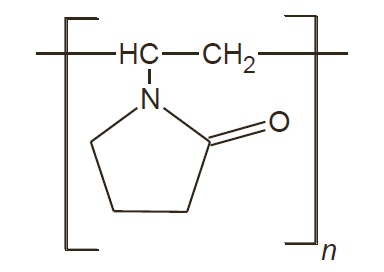
These three letters stand for Poly Vinyl Pyrollidone, a big molecule created from repeated units of Vinyl Pyrrolidone, aka VP. Its main thing is being an important film former. It was the first synthetic polymer introduced as a hair fixative in the 1950s instead of insect-derived Shellac.
So PVP likes to attach itself to surfaces such as the hair and the skin and forms a nice, thin, even film there. The film is useful for holding a hairstyle or extending the wear of color cosmetics and sunscreens. The disadvantage of PVP is that the film is a bit brittle and that PVP loves water (hygroscopic) that tends to destroy the film. This is the reason why hair styled with a PVP based product loses its style in high humidity. To fix this problem, there are now several versions of VP containing film formers that are less sensitive to humidity, for example, the molecule called VP/VA Copolymer.
Frequently Asked Questions about PVP
What is PVP used for in skincare and makeup?
Is PVP safe to use on skin and hair?
Does PVP benefit hair?
Can PVP dry out skin or hair?
Is PVP a good ingredient for sensitive skin?
Products with PVP (2 143 total)
Most often found in TonyMoly products (26 items)


