Sodium Lauroyl Sarcosinate
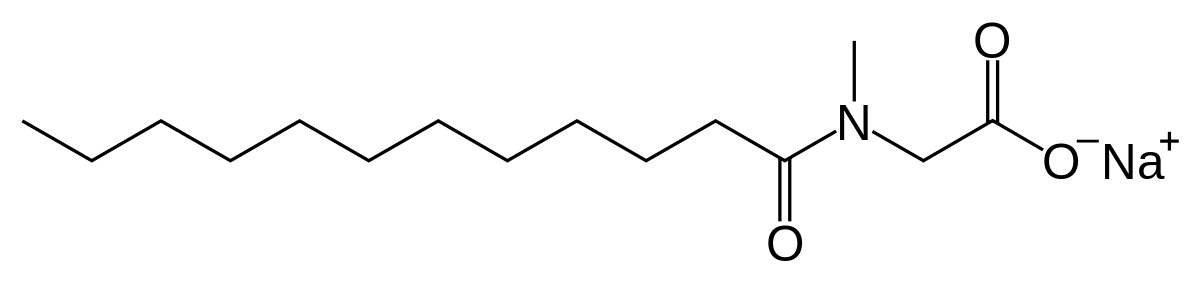
Characteristics
- INCI
- Sodium Lauroyl Sarcosinate
- CAS
-
137-16-6
This is the substance number in the Chemical Abstracts Service registry. The CAS number uniquely identifies a substance regardless of language, trade name, or synonyms.
- EC
-
205-281-5
This is the substance number in the European chemical identification system (EC number), used in European regulatory databases including ECHA/CosIng.
- IUPAC
- Sodium N-Lauroylsarcosinate
- Functions
- antistatic, cleansing, emulsifying, foaming, hair conditioning, skin conditioning, surfactant, viscosity controlling
Who it's for
Description
If you’ve ever seen a shampoo or toothpaste that promises plenty of foam without the “my scalp feels like sandpaper” aftermath, there’s a good chance this ingredient is doing the heavy lifting. Sodium Lauroyl Sarcosinate is a mild cleansing surfactant, which basically means it helps lift away oil, dirt, and gunk so they can be rinsed off with water. If you’re wondering how to say it, think “so-dee-um lore-oyl sar-KOSS-ih-nate” — and if you’ve seen “sodium lauroyl sarcosinate adalah” in search results, that just means “what is it” in Indonesian.
Its biggest claim to fame is that it can make cleansers feel gentler while still doing a solid job. In formulas, it is often used in shampoo, facial cleansers, body washes, and toothpaste, where a creamy foam and a less stripped feeling are welcome guests. Compared with SLS or sodium lauryl sulfate, it is generally considered milder and less likely to be irritating, which is why it is often chosen for sensitive-skin or “sulfate-free” formulas. That does not mean it’s magic, though: any cleanser can bother very reactive skin if the formula is too strong or if you use it too often.
So is it bad for skin or hair? For most people, no. It is generally considered safe for both skin and hair, and its main side effects are the usual cleanser-related ones: dryness, tightness, or irritation in people who are already sensitive or who overdo cleansing. On hair, it can be a good fit if you want cleansing without the harsh stripped feel, so “sodium lauroyl sarcosinate for hair” is usually more of a plus than a problem. In toothpaste, it helps spread the paste and create a bit of foam, which can make brushing feel more effective. If you’re trying to thicken a formula, formulators typically adjust the salt balance or blend it with other surfactants and polymers rather than expecting this ingredient to do the job alone.
The short version: sodium lauroyl sarcosinate is safe for most people, and it’s one of those quietly useful ingredients that earns its keep by making cleansers feel nicer. If you’re shopping for it on its own, you’ll usually find it through cosmetic ingredient suppliers rather than a regular store shelf — and yes, where to buy it depends on whether you’re a DIY formulator, a manufacturer, or just ingredient-curious at 11 p.m. Like many good cleansing agents, its real superpower is balance: effective enough to clean, gentle enough that your skin and hair don’t feel like they’ve been through a wash-cycle war.
More detail
A mild, biodegradable cleansing agent that is also a very good team-player next to other cleaning agents. It is known for its good foam-boosing abilities while improving the mildness of the formula. Its performance is similar to Isethionates, another group of cleaning agents known for their gentleness.
Frequently Asked Questions about Sodium Lauroyl Sarcosinate
What is sodium lauroyl sarcosinate used for in skincare and hair products?
Is sodium lauroyl sarcosinate safe to use on skin and hair?
Can sodium lauroyl sarcosinate irritate skin or cause side effects?
Is sodium lauroyl sarcosinate bad for hair?
How does sodium lauroyl sarcosinate compare with SLS?
Products with Sodium Lauroyl Sarcosinate (2 215 total)
Most often found in Revuele products (39 items)


