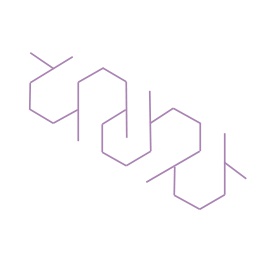
Characteristics
- INCI
- Squalane
- CAS
-
111-01-3
This is the substance number in the Chemical Abstracts Service registry. The CAS number uniquely identifies a substance regardless of language, trade name, or synonyms.
- EC
-
203-825-6
This is the substance number in the European chemical identification system (EC number), used in European regulatory databases including ECHA/CosIng.
- IUPAC
- 2,6,10,15,19,23-Hexamethyltetracosane
- Functions
- emollient, hair conditioning, refatting, skin conditioning
- Irritancy
-
0 / 5
Irritation potential: 0–5, where 5 is the highest irritation rating for the ingredient.
More detail → - Comedogen.
-
1 / 5
Comedogenicity index: 0–5. A non-comedogenic ingredient (0–1) is unlikely to cause cosmetic acne.
More detail →
Who it's for
Description
If your skin has ever looked at a rich oil and said, “absolutely not,” squalane is probably the thing it secretly wants instead. This light, silky hydrocarbon is the stable, saturated cousin of squalene, a lipid your skin makes naturally as part of sebum. Because it’s so similar to the stuff already sitting in your skin barrier, it tends to feel very familiar, non-fussy, and beautifully non-greasy. That’s a big part of the appeal of the best squalane products: they give you the softness and slip of an oil without the heavy, smothered feeling some face oils leave behind.
The main benefits of squalane for skin come down to emollience and water loss prevention. It helps smooth rough patches, makes skin feel more supple, and can reduce that tight, squeaky-clean feeling after cleansing. In practical terms, that makes it a lovely choice for dry, dehydrated, or easily irritated skin, but also for oily and acne-prone skin because it’s lightweight and generally well tolerated. In a 2012 study, a 1% squalane-containing emulsion improved skin hydration and reduced transepidermal water loss after repeated use, which is exactly the kind of boring-but-important result your barrier loves. If you’re hunting for the best squalane moisturizer or the best squalane oil for face, the sweet spot is usually a simple formula with minimal extras and a texture you’ll actually keep using.
Squalane also plays nicely with other ingredients. Pairing squalane and niacinamide is a very sensible move: niacinamide supports the skin barrier and helps with oil balance and uneven tone, while squalane brings the cushioning, smoothing finish. That combo is why many people like a best squalane serum or moisturizer in a routine aimed at calmer, plumper-looking skin. For how to use squalane, think of it as the last step in your routine, or mixed into your moisturizer if you want extra comfort. If you’re using a squalane cleanser, massage it onto dry skin, then add water to emulsify before rinsing; that’s the basic idea behind how to use squalane cleanser, including the popular The Ordinary version. It can also be used on hair lengths as a light finishing oil, where it helps tame dryness and add shine without that “I dipped my head in salad dressing” situation. As for the best squalane oil in India or anywhere else, the winner is usually the one that’s pure, fragrance-free, and packaged sensibly.
There’s one more nice thing: squalane is very stable, so it’s less likely to go rancid than many plant oils. That makes it a dependable option in glow masks too, including how to use squalane glow sleeping mask formulas that aim to seal in moisture overnight. And if you’re wondering about benefits of squalane for hair or skin in general, the answer is mostly the same old good news: softness, slip, and barrier support. Not glamorous, maybe, but extremely effective.
More detail
It seems to us that squalane is in fashion and there is a reason for it. Chemically speaking, it is a saturated (no double bonds) hydrocarbon (a molecule consisting only of carbon and hydrogen), meaning that it's a nice and stable oily liquid with a long shelf life.
It occurs naturally in certain fish and plant oils (e.g. olive), and in the sebum (the oily stuff our skin produces) of the human skin. As f.c. puts it in his awesome blog post, squalane's main things are "emolliency, surface occlusion, and TEWL prevention all with extreme cosmetic elegance". In other words, it's a superb moisturizer that makes your skin nice and smooth, without being heavy or greasy.
Another advantage of squalane is that it is pretty much compatible with all skin types and skin conditions. It is excellent for acne-prone skin and safe to use even if you have fungi-related skin issues, like seborrhea or fungal acne.
The unsaturated (with double bonds) and hence less stable version of Squalane is Squalene, you can read about it here >>
Frequently Asked Questions about Squalane
What does squalane do for skin and face care?
How do you use squalane oil in a skincare routine?
Is squalane good for dry or sensitive skin?
Can squalane help with hair?
Is squalane different from squalene, and which one is used in skincare?
Evidence & Research on Squalane
-
1
Kim, Se-Kwon, and Fatih Karadeniz. "Biological importance and applications of squalene and squalane." Advances in food and nutrition research. Vol. 65. Academic Press, 2012. 223-233.
Products with Squalane (16 762 total)
Most often found in APLB products (122 items)


