Stearyl Alcohol
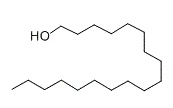
Characteristics
- INCI
- Stearyl Alcohol
- CAS
-
112-92-5
This is the substance number in the Chemical Abstracts Service registry. The CAS number uniquely identifies a substance regardless of language, trade name, or synonyms.
- EC
-
204-017-6
This is the substance number in the European chemical identification system (EC number), used in European regulatory databases including ECHA/CosIng.
- IUPAC
- Octadecan-1-Ol
- Functions
- emollient, emulsifying, emulsion stabilising, foam boosting, masking, opacifying, refatting, surfactant, viscosity controlling
- Irritancy
-
2 / 5
Irritation potential: 0–5, where 5 is the highest irritation rating for the ingredient.
More detail → - Comedogen.
-
2 / 5
Comedogenicity index: 0–5. A non-comedogenic ingredient (0–1) is unlikely to cause cosmetic acne.
More detail →
Who it's for
Description
If you have ever wondered why some lotions feel plush, creamy, and a little bit fancy instead of thin and slippery, stearyl alcohol is often part of the reason. This white waxy fatty alcohol is a classic helper ingredient in skin care and hair products: it thickens formulas, helps oil and water stay peacefully mixed, and leaves behind that soft, conditioned feel. It is not the drying, stingy kind of alcohol people worry about on labels. In fact, fatty alcohols like this are more like texture heroes than troublemakers.
On skin, stearyl alcohol works mainly as an emollient and consistency agent. That means it can make creams feel richer, reduce that draggy sensation when you spread them, and help products sit more comfortably on the face and body. In formulas for the face, it can support a smoother application and a less tacky finish; in body lotions and butters, it helps build that dense, cushiony texture people like. It is also commonly used in deodorants for structure, and in hair care it helps give conditioners and masks a softer, more manageable slip. If you are comparing it with cetearyl alcohol or cetyl alcohol, think of them as cousins in the same emollient family: cetearyl alcohol is a blend of cetyl and stearyl alcohol, while cetyl alcohol is a bit lighter-feeling, and all three are often used for similar soothing, thickening jobs in lotions and hair products.
So, is stearyl alcohol safe for skin? For most people, yes. It is widely used and generally considered non-irritating. It is also not known as a notorious pore-clogger; its comedogenic rating is low, though as always, the final formula matters more than one ingredient alone. A few people with very reactive skin may still notice sensitivity to any ingredient, but that is the exception, not the rule. And if you are wondering about halal status, that depends on the source used by the manufacturer, since fatty alcohols can be made from plant or animal-derived fats. The ingredient itself is usually chosen for feel and structure, not drama.
As for the practical bit: if you are making or using a lotion, body butter, or conditioner, stearyl alcohol is one of those ingredients that mainly supports the recipe rather than doing the starring act. It melts around 58–59°C, so it is typically added in the heated oil phase when formulating. That helps explain why people search for how to use it alongside cetyl alcohol or in stearyl alcohol lotions, body butters, and hair products: it is a texture tool, not something you apply on its own. Bottom line? Stearyl alcohol is safe for skin for the vast majority of people, and when it shows up in a formula, it is there to make your products feel smoother, creamier, and a lot less fussy.
More detail
A handy multi-tasker, white to light yellowish oil-loving wax that works very well in oil-in-water emulsions. It makes your skin feel nice and smooth (emollient), stabilizes oil-water mixes and gives body to them.
Oh, and one more thing: it's a so-called fatty alcohol - the good, emollient type of alcohol that is non-drying and non-irritating. It is often mixed with fellow fatty alcohol, Cetyl Alcohol, and the mixture is called Cetearyl Alcohol in the ingredient list.
Frequently Asked Questions about Stearyl Alcohol
What does stearyl alcohol do in skincare products?
Is stearyl alcohol safe for skin?
Can stearyl alcohol clog pores or cause breakouts?
Is stearyl alcohol useful for hair products?
How is stearyl alcohol different from cetyl alcohol or cetearyl alcohol?
Products with Stearyl Alcohol (7 187 total)
Most often found in Olay products (201 items)


