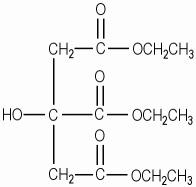
Characteristics
- INCI
- Triethyl Citrate
- CAS
-
77-93-0
This is the substance number in the Chemical Abstracts Service registry. The CAS number uniquely identifies a substance regardless of language, trade name, or synonyms.
- EC
-
201-070-7
This is the substance number in the European chemical identification system (EC number), used in European regulatory databases including ECHA/CosIng.
- IUPAC
- Triethyl Citrate
- Functions
- masking, perfuming, plasticiser
Who it's for
Description
When a deodorant or perfume feels unusually light, elegant, and not at all greasy, there’s a decent chance triethyl citrate is doing some behind-the-scenes work. So what is triethyl citrate? It’s a small ester made by reacting citric acid with ethanol, usually in an industrial process, and it’s also known as TEC. In ingredient lists it may pop up with its CAS No. 77-93-0, which is basically its chemical ID card. It’s commonly used as a solvent, fragrance helper, and deodorant ingredient, and it has a reputation for making formulas feel smoother and less sticky.
One of the big triethyl citrate uses is in deodorant, where it helps reduce odor by interfering with the bacterial breakdown of sweat components that produce smelly compounds. That means it does not stop sweating the way an antiperspirant does, but it can help your underarms smell more civilized. In perfume, triethyl citrate is often used as a carrier and fixative-like helper, especially in alcohol-free or low-alcohol formulas. If you’re wondering how to use triethyl citrate in perfume, the short version is: formulators use it to dilute fragrance materials, improve spray feel, and help blend oil-soluble ingredients more evenly. In other words, it’s a useful little solvent, not the star of the show. You may also see it in products described as triethyl citrate oil, which usually means it’s being used in a fragrance or oil-based formula rather than that the ingredient itself is an oil.
Is triethyl citrate safe? In cosmetics, it is generally considered a low-concern ingredient and is widely used in rinse-off and leave-on products, including deodorants and perfumes. Most people tolerate it well, and side effects are uncommon, but any product can irritate very sensitive skin, especially if it also contains alcohol, fragrance allergens, or other more temperamental ingredients. As for how to use triethyl citrate, the honest answer is that you usually don’t use it on its own at home unless you are a formulator or buying raw materials for DIY projects. If you’re searching triethyl citrate buy or triethyl citrate price, you’re probably looking at supplier or cosmetic ingredient shops, where it’s sold as a raw material for professional and hobby formulations. So yes, it’s a practical ingredient, not a glamorous one, but your underarms and your perfume bottle may quietly appreciate its very efficient little chemistry.
More detail
Triethyl Citrate is a lightweight ester made from citric acid and ethanol, and it shows up in cosmetics mainly as a deodorant helper, solvent, and fragrance ingredient. It’s not a flashy “treatment” ingredient, but it plays a useful behind-the-scenes role by helping formulas feel smoother, spread more evenly, and perform better. In deodorants and body sprays, it’s especially valued for helping reduce odor by interfering with the breakdown of sweat components that can contribute to smell.
For skin, Triethyl Citrate is generally appreciated for being low-fuss and versatile rather than actively moisturizing or exfoliating. In hair products, it can help with formula texture and stability, making sprays, leave-ins, and styling products easier to use. People who like lightweight, elegant formulas or want deodorants without a heavy, waxy feel may benefit most. It’s usually well tolerated, but as with any cosmetic ingredient, very sensitive skin can react to a product’s full formula, especially if it also contains fragrance or alcohol.
Frequently Asked Questions about Triethyl Citrate
What is triethyl citrate used for in cosmetics?
Is triethyl citrate safe to use on skin?
How does triethyl citrate work in deodorant?
Why is triethyl citrate used in perfume?
How is triethyl citrate made?
Products with Triethyl Citrate (1 930 total)
Most often found in Shea Moisture products (74 items)


