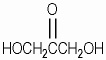
Caractéristiques
- INCI
- Dihydroxyacetone
- Ru.
- DHA
- CAS
-
96-26-4
Il s'agit du numéro de la substance dans le registre du Chemical Abstracts Service. Le numéro CAS identifie de manière unique une substance indépendamment de la langue, du nom commercial ou des synonymes.
- EC
-
202-494-5
Il s'agit du numéro de substance dans le système européen d'identification chimique (numéro CE), utilisé dans les bases de données réglementaires européennes, y compris ECHA/CosIng.
- IUPAC
- 1,3-Dihydroxyacetone
- Fonctions
- reducing, skin conditioning, tanning
Pour qui
Descriptif
Dihydroxyacetone (DHA) is the classic self-tanning ingredient used in many lotions, mousses, sprays, and gradual tanners. It’s a simple sugar that reacts with amino acids in the outermost layer of skin to create brown-toned pigments, giving the look of a tan without UV exposure. It does not actually change your skin’s melanin production, so the color is temporary and fades as dead skin cells naturally shed.
For skin, DHA is mainly about cosmetic color: it can help people who want a sun-kissed look, even out the appearance of pale legs or arms, or maintain a tan appearance year-round. It’s also useful for anyone avoiding sunbathing or tanning beds. In hair products, DHA is not a common conditioning ingredient; its main role is still self-tanning for skin, not hair care.
Caveats: DHA can look uneven if skin is dry, exfoliated unevenly, or applied too heavily. It may also temporarily stain clothes, sheets, or palms if not washed off well. Because it only affects the surface, it won’t provide sun protection, so sunscreen is still needed. Sensitive users may prefer fragrance-free formulas or patch testing first.
Preuves scientifiques sur Dihydroxyacetone
-
1
Braunberger, T. L., et al. "Dihydroxyacetone: A Review." Journal of drugs in dermatology: JDD 17.4 (2018): 387-391.Trouver dans PubMed
-
2
Jung, K., et al. "UV-generated free radicals (FR) in skin: their prevention by sunscreens and their induction by self-tanning agents." Spectrochimica Acta Part A: Molecular and Biomolecular Spectroscopy 69.5 (2008): 1423-1428.Trouver dans PubMed
Produits avec Dihydroxyacetone (569 total des dépenses)
Présent surtout dans les produits Bondi Sands (41 produits)


