Characteristics
- INCI
- Sorbitan Oleate
- CAS
-
1338-43-8
This is the substance number in the Chemical Abstracts Service registry. The CAS number uniquely identifies a substance regardless of language, trade name, or synonyms.
- EC
-
215-665-4
This is the substance number in the European chemical identification system (EC number), used in European regulatory databases including ECHA/CosIng.
- Functions
- emulsifying
- Irritancy
-
0 / 5
Irritation potential: 0–5, where 5 is the highest irritation rating for the ingredient.
More detail → - Comedogen.
-
3 / 5
Comedogenicity index: 0–5. A non-comedogenic ingredient (0–1) is unlikely to cause cosmetic acne.
More detail →
Who it's for
Description
Ever wondered how a creamy lotion, a silky sunscreen, or a nicely blended foundation keeps its act together instead of turning into a sad oily puddle? Sorbitan Oleate is one of those behind-the-scenes helpers making that happen. It is mainly an emulsifier, which means it helps water and oil mix and stay mixed, and it also works as a wetting and dispersing agent. In plain English: it helps pigments, powders, and mineral sunscreen filters spread out evenly instead of clumping like they have better things to do.
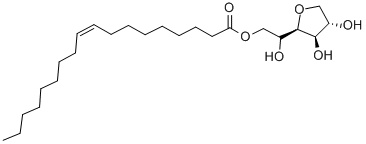
Chemically, it is made by combining sorbitan, a dehydrated form of sorbitol, with oleic acid, a fatty acid commonly found in vegetable oils. That gives it a split personality: one part likes water and another part likes oil, which is exactly why it is so useful in emulsions. This sort of structure is what lets it sit at the border between the watery and oily parts of a formula and keep everything nicely blended. It is usually considered a fairly gentle, low-drama ingredient and is often found in creams, sunscreens, makeup, and other products that need a stable texture.
You will also sometimes see it used in combination with other emulsifiers to fine-tune the feel and stability of a formula. It is especially handy when formulators want to improve the spread of mineral pigments or insoluble sunscreen particles like zinc oxide and titanium dioxide, because a well-dispersed particle is a much happier particle. In practice, that can mean smoother application, fewer streaks, and a more even finish on your skin. It is not a superstar active with a long list of skin benefits, but it is the kind of ingredient that quietly makes the whole product perform better. And honestly, cosmetic formulas need a few of those.
More detail
A mainly oil-loving, vegetable raw material based ingredient that helps water and oil to mix together, aka emulsifier. It can also function as a wetting and dispersing agent helping insoluble particles such as color pigments or inorganic sunscreens (zinc/titanium dioxide) to disperse nice and even in liquids.
Chemically speaking, it comes from the attachment of sorbitan (a dehydrated sorbitol (sugar) molecule) with the unsaturated fatty acid Oleic Acid, that creates a partly water (the sorbitan part) and partly oil soluble (oleic part) molecule.
Products with Sorbitan Oleate (2 954 total)
Most often found in L'Oreal products (69 items)


